30/9/2026, 7:23:02 pm
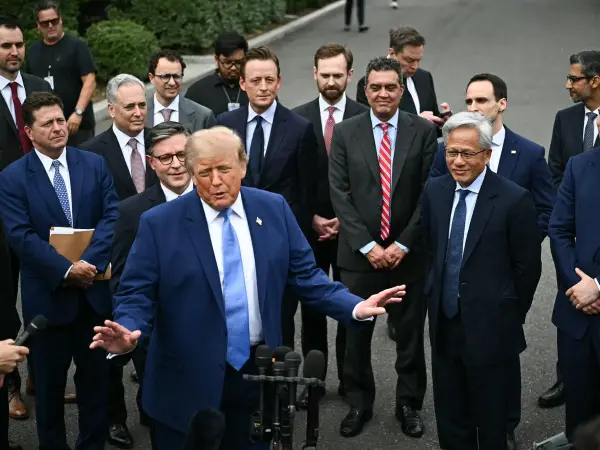
Trump’s AI safety lunch with tech leaders featured 4 unexpected moments
One of the key outcomes of the meeting was the signing of what Trump called a “White House Accord on Super Intelligence,” a document he likened to a “constitution” for the industry. According to Trump, the agreement asks signatories to establish robust internal safety controls, allow external audits, and submit board-reviewed safety assessments on their AI technologies. Executives including Pichai and Brockman reportedly signed onto the voluntary pact. However, Trump clarified when questioned that the accord is not legally binding, instead describing it as “morally binding.” The agreement does not contain enforcement mechanisms, instead relying on what Trump called “tremendous self-policing” and proposing a select committee of about 10 individuals to oversee industry practices.
The lunch also featured a notable exchange between Trump and Dario Amodei, whose calls for stronger AI safeguards and a more cautious pace of frontier development have previously drawn criticism from the president. In a shift in tone, Trump praised Amodei as “fantastic” and invited him to address the press, quipping, “Whatever he says is OK.” He added some advice to the CEO, telling him to “be careful.” Amodei highlighted both the “incredible benefits” and “very real risks” of artificial intelligence, emphasizing the need for collaboration between industry and government to ensure the US could “win safely.”
During the press event, Mark Zuckerberg described the accord as a starting point centered on risk reviews, independent audits, and oversight, suggesting its terms could inform industry practices going forward. A lighthearted moment occurred as Trump and Zuckerberg shared a brief aside and a laugh while Amodei was speaking, underlining the mix of seriousness and informality at the high-profile gathering.
The signed “White House Accord on Super Intelligence” appeared online when Trump shared a photo of the document on Truth Social. Social media users quickly spotted a typographical error in Trump’s signature line, which read, “President of the Unites States” instead of “United States.” The mistake was widely circulated and drew mockery given the importance the administration placed on the document and its analogy to a national constitution.
Further attention came when Elon Musk, standing next to Trump, adopted the president’s preferred term “Super Intelligence” for AI, quickly correcting himself from “AI” to “SI” in line with Trump’s terminology. Earlier that day, Trump had signed an executive order directing federal agencies to replace “Artificial Intelligence” and “AI” with “Super Intelligence” and “SI” in all official communications where legally permissible, citing his dislike for the word “artificial” as it sounded “fake.”
The gathering highlighted both the ambitions and challenges facing the US as it seeks to balance rapid AI advancement with new mechanisms for oversight and responsibility in the sector. With voluntary agreements and shifting terminology signaling priorities at the highest level, the meeting underscored how future development, regulation, and global competition in artificial intelligence remain at the forefront of the national agenda.
More Flips

Get real-time finance, business & capital market news in 50 words and get recommendations from top brokers delivered to your phone.


All Rights Reserved. Entroq Technologies Private Limited © 2022-2026