16/10/2026, 4:24:01 pm
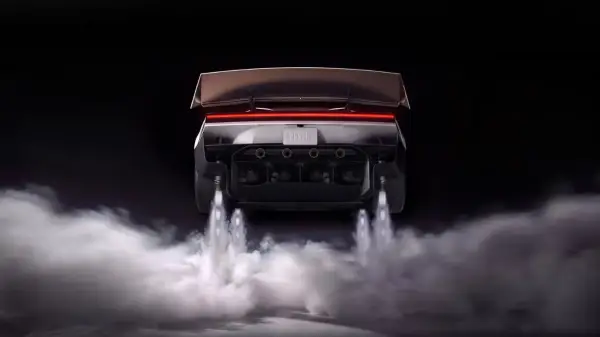
Tesla Reveals Flying Car With SpaceX Thrusters, 480km Range; 2028 Launch Planned
According to Tesla, the revamped Roadster includes several standout features. Most notably, the car incorporates SpaceX-designed thrusters that enable it to perform dynamic movements, including a dramatic barrel roll maneuver while airborne. During a demonstration, the test vehicle was operated without a human occupant on board and utilized the thrust system to both lift into the air and execute precise landings. Tesla also highlighted the use of a suction system, which reportedly allows the Roadster to travel upside down along a ramp. However, the company has emphasized that the car’s ability to drive legally on public roads or operate in regulated airspace has yet to be determined.
Tesla has yet to provide definitive pricing information for the new Roadster but outlined several distinct configurations. The offering includes a standard Performance version, a Thrust variant equipped with additional acceleration thrusters, and a Rocket variant that features what the company claims is a full flight system. The Rocket version is designed to deliver some airborne capabilities, making it a notable addition to Tesla’s product lineup.
Performance metrics for the new Roadster are ambitious, with Tesla claiming the Thrust variant can accelerate from 0 to 60 miles per hour in under one second and reach a top speed exceeding 230 miles per hour. The automaker has also indicated the vehicle will have a driving range of more than 300 miles on a single charge, although these figures remain preliminary and are expected to be validated through real-world testing closer to the vehicle’s commercial launch.
The reveal of the latest Roadster fits both Tesla’s and SpaceX’s track records of pushing the boundaries of vehicle technology. By integrating aerospace engineering into consumer-grade electric vehicles, the companies aim to dramatically expand the horizons of what is technically possible for automotive transportation. While the Roadster’s airborne capabilities drew industry attention and set a new benchmark for performance claims in the electric sports car market, many regulatory, technical, and operational hurdles remain before such vehicles can be widely adopted or sold to the public.
For now, the Roadster’s demonstration represents an ambitious glimpse at a future where high-performance electric cars may not only rival the speed of the world’s fastest gasoline vehicles but also take brief flight, ushering in a radically new era for the industry. Further details such as final pricing and production timelines are expected as the project moves closer to its targeted 2028 launch.
More Flips

Get real-time finance, business & capital market news in 50 words and get recommendations from top brokers delivered to your phone.


All Rights Reserved. Entroq Technologies Private Limited © 2022-2026