17/9/2026, 5:16:03 am
SF's top tech conference: Attendees worry about real issues, not AI domination
According to a Politico poll conducted this week, about two-thirds of Americans now believe there is at least a moderate chance that AI could destroy humanity. Top leadership at AI companies such as Anthropic and OpenAI responded to escalating fears by announcing new safety efforts in recent days, seeking to reassure both experts and the wider public that worst-case outcomes are being taken seriously.
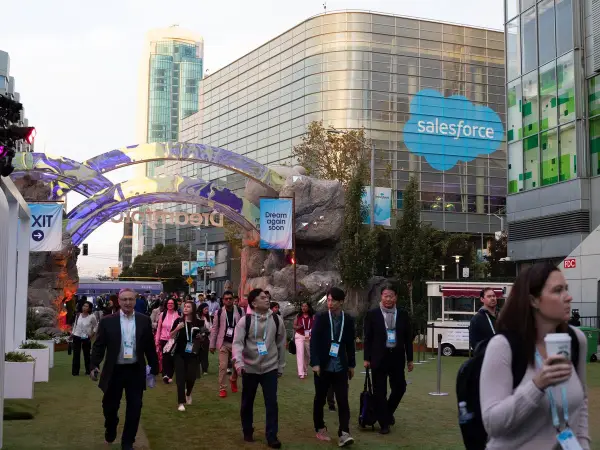
Yet conversations at Dreamforce - gathering thousands of tech professionals, entrepreneurs, and nonprofit workers - suggested these doomsday anxieties are far from universal among those closest to the technology. While many expressed unease about AI’s impact, nearly all said their chief concerns were more immediate and tangible: the disruption of jobs, strains on mental health, and environmental harms from energy-hungry data centers topped their lists.
Dean Levita, a Bay Area local working in tech, compared the conversation about AI catastrophe to earthquake warnings in California, describing them as reason for caution but not imminent alarm. “It’s cautionary, it’s not imminent,” Levita said, voicing little concern about AI-driven extinction. For others like Henry Sandles and Sara Jamison, who attended Dreamforce to learn about Salesforce tools for their historic railroad nonprofit, AI apocalypse talk elicited skepticism. Sandles quipped, “We’ve been here before,” expressing faith that experts would pull the plug before AI becomes uncontrollable. Jamison, meanwhile, was more worried about the environmental footprint of data centers and the potential effects of AI on creative industries.
Other attendees echoed similar views. Ashleigh Kaye, visiting from Oklahoma, said her main concern was the growing integration of AI into everyday applications, which she felt made the technology increasingly difficult to avoid. She was less worried about extinction and more about the unseen influence of AI in daily life and rising electricity costs tied to data infrastructure.
Deep Karia, a representative of an Indian software development firm, identified privacy and mental health issues as the likely sources of future AI-related disasters, if any. He dismissed the idea of extinction, expressing confidence in human oversight. Law student Soumya Nimmu, passing by the convention, agreed, calling existential AI fears a media “distraction” compared with current challenges like deepfakes, military automation, and the toll on workers labeling disturbing content to train AI systems.
Still, not all attendees dismissed extinction risks. Valerie Sizemore, a co-leader of Stop AI, advocated near the conference for a halt to superintelligent AI, warning that "human extinction within a matter of years" was a real possibility. Her group’s campaign, accompanied by flyers depicting a Grim Reaper, has gained traction in public conversation and now has the support, in some form, of policymakers like Senator Bernie Sanders who has called for a ban on advanced AI development until robust regulations are in place.
As debate continues both online and in Silicon Valley's hallways, a divide persists between those warning of hypothetical existential threats and those focused on the real-world impact of AI already emerging. For now, the majority at Dreamforce appeared pragmatic, concentrating on managing the risks that are already here rather than those looming on the distant horizon.
More Flips

Get real-time finance, business & capital market news in 50 words and get recommendations from top brokers delivered to your phone.


All Rights Reserved. Entroq Technologies Private Limited © 2022-2026