19/10/2026, 3:17:02 am
Rare hawks return to nest in California after farmland restoration efforts
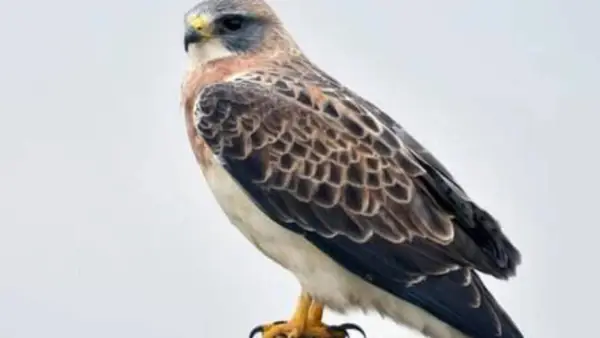
Just three years later, the initiative appears to be bearing fruit. In a development greeted with cautious optimism by conservationists, wildlife biologist Tobias Felbeck documented the first confirmed nesting of Swainson’s hawks in Shasta County in about 30 years. Felbeck, peering through binoculars at a tall sycamore, observed a female hawk on a nest, accompanied by an adult male and two chicks. Swainson’s hawks, listed as threatened under California’s Endangered Species Act, typically nest further south, making this reappearance a significant ecological signal.
The return of the hawks is being linked directly to the improved habitat. After native vegetation was restored, insects such as grasshoppers and dragonflies proliferated, likely attracting the raptors back. Michael Rogner, Director of Restoration at River Partners, said the discovery could be a sign Swainson’s hawks are beginning to recolonize parts of their former range in the north, but added that more than one nesting pair is needed to confirm a true comeback for the species.
This success story extends beyond hawks. Later in the summer, Felbeck heard the song of an indigo bunting, a species not typically found in California. Investigations revealed a breeding pair around 500 miles outside the species’ normal range - the first such record in Shasta County, where indigo buntings had previously only been documented four times.
Restoration efforts elsewhere in California have also yielded notable outcomes. In July 2026, endangered least Bell’s vireos were spotted breeding at two restored sites in San Diego County - Otay Delta and San Dieguito River Park - following earlier plantings of thousands of native trees and shrubs aimed at rebuilding critical riverside habitat. Both sites had seen their native vegetation severely diminished before restoration began, with the loss affecting bird populations that historically thrived in these areas.
Other species have also benefited; endangered riparian woodrats were rediscovered in San Joaquin River National Wildlife Refuge in 2024, and riparian brush rabbits have shown signs of recovery in nearby restored habitats.
Scientists remain cautious, noting that isolated successes need to be scaled up to confirm longer-term trends. However, the gathering evidence from Rancho Breisgau and other projects is providing valuable insight into the transformative potential of active habitat restoration for vulnerable wildlife. Conservationists argue that with continued investment, more stretches of damaged land could again serve as vital corridors for both common and rare species, helping reverse decades of environmental decline across California.
More Flips

Get real-time finance, business & capital market news in 50 words and get recommendations from top brokers delivered to your phone.


All Rights Reserved. Entroq Technologies Private Limited © 2022-2026