29/11/2026, 3:20:02 pm
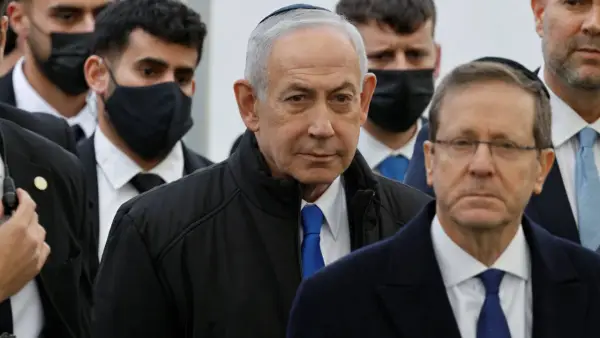
President Herzog proposes mediating to resolve Netanyahu's corruption trial
The renewed offer comes against the backdrop of comments from the judges overseeing Netanyahu's case, who last week questioned the strength of the prosecution's charges in two of the three cases facing the prime minister. Notably, the judicial panel indicated that a conviction appeared unlikely in the most serious case, suggesting it should be dropped altogether. The judges also raised doubts as to whether the conduct alleged in a second case constituted a criminal offense, urging a fresh review.
Netanyahu, who has been embroiled in legal proceedings since 2020, faces three separate cases involving charges of bribery, fraud, and breach of trust. Case 1000 centers on allegations that the prime minister and his wife, Sara, received gifts and payments in exchange for political favors. Case 2000 concerns purported negotiations between Netanyahu and the publisher of Yedioth Ahronoth to secure favorable media coverage in return for proposed legislation targeting a rival publisher, Israel Hayom. The most complex, Case 4000, alleges that Netanyahu provided regulatory benefits to the telecommunications firm Bezeq in exchange for positive coverage on a news website owned by Bezeq's chairman.
The judges do not have the authority to unilaterally dismiss charges but strongly urged Attorney General Gali Baharav-Miara to drop Case 4000, citing the apparent weakness of the bribery allegations. They also recommended that Case 2000 be re-examined to determine if the actions in question rise to the level of a criminal offense.
President Herzog's office noted that it had offered to host negotiations several months ago, a proposal that was accepted by Attorney General Baharav-Miara. However, according to the president's statement, Netanyahu and his legal team did not respond to the initial outreach. Herzog reiterated his "full confidence in Israel’s judges at all levels" and encouraged both sides to listen to the panel hearing the case.
Netanyahu has consistently maintained his innocence, arguing that the investigations and criminal trial have impacted his political career, particularly during Israel's run of rapid election cycles from 2019 to 2022. He has described the process as "years of terrible suffering" for himself and his family.
The Israeli president's continued efforts to encourage an agreement come as scrutiny grows over the strength of the prosecution's cases, adding a fresh dimension to the country’s closely watched legal and political drama.
More Flips

Get real-time finance, business & capital market news in 50 words and get recommendations from top brokers delivered to your phone.


All Rights Reserved. Entroq Technologies Private Limited © 2022-2026