7/10/2026, 11:24:02 am
Once called a "silent graveyard," African park now boasts 37 rhinos and 7 calves
According to Werner Myburgh of Peace Parks Foundation, a 2014 visit to Zinave revealed a landscape stripped of its animals, the silence as tangible as the loss itself. The devastation stemmed from prolonged conflict between warring factions, with many animals slaughtered for bushmeat. Not even the normal chorus of birds and insects remained. This silence, Myburgh told Conservation International, was as troubling as the disappearance of elephants, giraffes, and lions. A decade later, however, the park is being transformed. Recent observations include African skimmers on the Save River, hippos in the water, vervet monkeys in the trees, and the songs of returning birds.
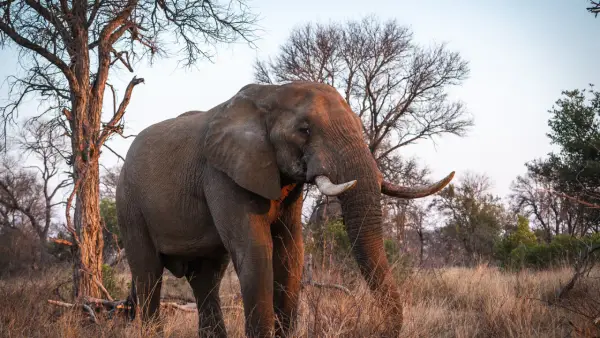
The rewilding effort, which began in 2016, has seen the introduction of 2,540 animals from 14 species, Peace Parks Foundation reports. These efforts include the relocation of 250 elephants, a move that has been crucial in restoring the park's ecosystem. Myburgh described elephants as "architects of the land," explaining how they reshape habitats by knocking down trees and clearing thickets, supporting the revival of other species.
One of the most significant achievements has been the reintroduction of rhinos, a project driven by the ongoing rhino poaching crisis in South Africa, where more than a thousand rhinos were killed annually in 2014 and 2015. Peace Parks Foundation, in partnership with the Mozambican and South African governments, relocated 37 rhinos - donated by South Africa’s Exxaro Resources and supported by private and institutional donors - over a 1,000-mile journey, the longest overland rhino translocation ever attempted. Since their arrival in Zinave, seven healthy rhino calves have been born, including one critically endangered black rhino. The foundation aims to grow the black rhino herd to a viable population of 20 or more and reports that the original black rhinos have established territories.
Safeguarding these animals is a major priority, supported by a contingent of around 100 trained rangers with access to helicopters, fixed-wing aircraft, tracker dogs, and surveillance technology. Bernard van Lente, the foundation’s Head of Operations at Zinave, stated that no rhino has been lost in the two years since their arrival, crediting the robust security measures in place.
Encouraging signs of ecological recovery abound: August 2021 saw a male lion captured on a damaged camera trap, the first seen in Zinave in more than 40 years, according to Conservation International. Subsequent sightings included a female, a juvenile, and three adult males, re-establishing Zinave as Mozambique’s first "big five" park. This marks a major milestone for conservation in the region.
Underscoring these achievements, Peace Parks Foundation and Conservation International are working to link five national parks across South Africa, Mozambique, and Zimbabwe into the transboundary Great Limpopo Park, which will span 100,000 square kilometres. As new life resurges in Zinave, the park stands as a testament to the resilience of Africa’s wild landscapes and the potential for conservation partnerships to restore lost biodiversity.
More Flips

Get real-time finance, business & capital market news in 50 words and get recommendations from top brokers delivered to your phone.


All Rights Reserved. Entroq Technologies Private Limited © 2022-2026