30/9/2026, 11:23:01 pm
Ohio farmer with $1M medical debt sought $540K yearly from solar land lease
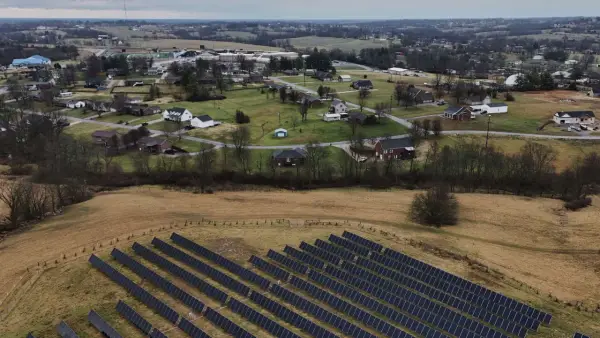
Greier’s financial troubles began with a severe health crisis. After a 40-day hospital stay battling COVID-19 and complications that required seven abdominal surgeries, his medical debt soared to $1 million, according to Farm Progress. As lenders closed in and debt threatened the future of the farm, the prospect of steady income through solar leasing offered hope. His farmland was well-suited for solar power, with high-voltage transmission lines already in place, making the site ideal for connecting a renewable energy project to the grid.
But as word of the project spread, local sentiment shifted. Residents in Green Township organized vocal opposition, expressing fears that solar panels would harm farmland and contaminate drinking water. The backlash quickly escalated, with Greier reporting that protesters gathered outside his home, rumors circulated in the community, and his children faced harassment at school. The mounting resistance became intensely personal, leaving deep scars on the family.
In 2021, Ohio lawmakers passed Senate Bill 52, handing local authorities broad power to restrict or ban large-scale wind and solar projects on private land. Green Township trustees soon voted to prohibit commercial solar and wind developments. Because Greier’s developer had not completed a formal impact study with the Ohio Power Siting Board before the ban took effect, the project was abruptly halted. As a result, Greier was unable to access the revenue he needed, forcing him to liquidate assets to pay creditors and prevent foreclosure. He sold portions of his land, a 24-row planter, tillage equipment, a deep ripper, and returned leased tractors.
Despite these setbacks, Greier decided to remain on the historic family farm, in part because his father's ashes rest on the property. In order to keep the operation going, he leased his remaining acreage to another local farmer while working on the land himself operating equipment, managing grain sales, and raising livestock including sheep, goats, and beef cattle. This arrangement has allowed Greier to involve his 13-year-old son, Blake, in farm work, maintaining their family connection to the land.
In the wake of these events, Greier has become a prominent advocate for farmers’ property rights, regularly speaking to lawmakers, industry groups, and farm communities about the importance of allowing landowners to decide how best to use their land to support their families. Greier argues that leasing land for energy projects is no different from growing crops or raising livestock, especially for family farms seeking financial stability. He continues to push for the rights of farmers to have a say in their economic future, drawing from his own experience as an example of what can be lost when those rights are restricted.
More Flips

Get real-time finance, business & capital market news in 50 words and get recommendations from top brokers delivered to your phone.


All Rights Reserved. Entroq Technologies Private Limited © 2022-2026