1/10/2026, 8:18:02 am
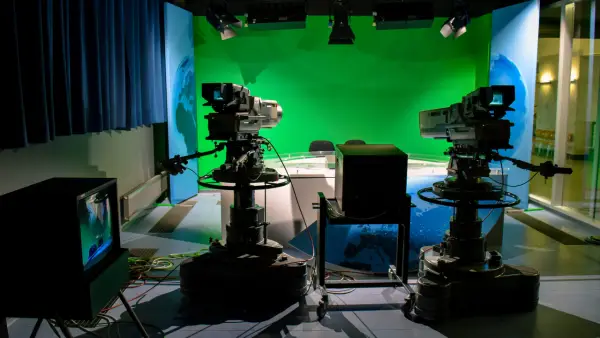
News channel launches anchorless TV broadcast experiment
This shift is part of a comprehensive transformation announced last month by EW Scripps Co, one of the largest TV station owners in the United States, headquartered in Cincinnati and tracing its roots back to a newspaper launched in 1878. Responding to changing viewer habits and the challenge posed by declining television viewership, Scripps has begun to overhaul its approach to delivering local news. The changes at WGBA in Green Bay serve as a pilot for this broader strategy, which centers on reorienting from traditional nightly broadcasts toward an always-on, streaming-first model.
Under the new approach, news content is produced as a series of modular segments, often recorded and edited by the reporters themselves in the field. These packages are then fed not only into the station’s broadcast slots but are also distributed continuously through the station’s website and social media platforms. The resulting product presents a steady stream of up-to-date stories, untethered from the conventional anchor desk format that once defined local television journalism.
For Scripps, the move is not just about keeping pace with audience preferences but also about preserving advertising dollars as ratings for linear TV programming erode. With more viewers opting for on-demand and streaming news, especially younger demographics, the company sees its new model as an essential adaptation for future growth. Scripps’ executives have positioned this transformation as a way to both streamline newsroom operations and increase relevance with a digital-first audience.
As the company rolls out the plan across its roster of stations, industry observers are watching closely to see whether Scripps’ gamble on anchorless, reporter-driven news will resonate. If successful, the strategy could accelerate an industry-wide pivot toward more flexible, streaming-oriented local news, setting a new standard for how communities stay informed in the digital era.
More Flips

Get real-time finance, business & capital market news in 50 words and get recommendations from top brokers delivered to your phone.


All Rights Reserved. Entroq Technologies Private Limited © 2022-2026