29/11/2026, 3:18:03 pm
Iran’s ‘double-tap’ attacks heighten shipping risks in the Strait of Hormuz
According to maritime security consultancy EOS Risk, data cited by the Financial Times shows that the frequency and scale of these attacks increased notably after the United States and Israel launched strikes on Iran on February 28. The attacks have heightened concerns that Tehran is deliberately seeking to make passage through the Strait of Hormuz, a vital transit point for global energy shipments, substantially riskier for shipping companies and crew members.
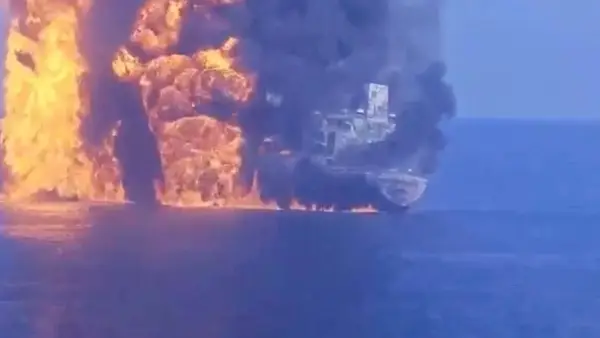
Among the ships reportedly targeted was the Navig8 Messi, a tanker owned by Abu Dhabi National Oil Company (ADNOC), the state oil company of the United Arab Emirates. A maritime security adviser told the Financial Times that the vessel may have been hit at least three times, though ADNOC declined to comment on specific vessel operations. In another incident, the Tara Gas, a liquefied petroleum gas carrier operated by a UAE company, was struck twice on consecutive days in November, eventually catching fire. The China-owned crude oil tanker Gem No 2 was attacked on October 9 and 10, resulting in a large oil spill off the coast of the UAE. The reported owners of Tara Gas and Gem No 2 did not respond to requests for comment.
Industry observers are debating whether the repeated attacks are coincidental or reflect a deliberate Iranian strategy to disable ships and deter companies from transiting the Strait. Some shipping executives speculate that the smaller pool of vessels still willing to navigate the waterway has made them more frequent targets. Others believe Iran is intentionally striking vessels multiple times to halt their operations, complicate salvage efforts, and increase the risk to crews.
Despite the growing threat, data from shipping analytics firm Lloyd’s List indicates that traffic through the Strait of Hormuz has shown signs of recovery. Inbound transits into the Gulf reached 237 in October, the highest monthly total since the onset of heightened hostilities. Nonetheless, over 50 attacks on commercial shipping were recorded in October and November, with Iran reportedly launching 35 attacks in the strait in October alone, and at least 20 more in November, according to the Financial Times.
The US Navy continues to patrol the busy shipping lanes, and most vessels have shifted to a route along the Omani coast to operate under American protection, despite explicit Iranian warnings to ships considered "non-compliant" with the regulatory system Iran is attempting to impose. This system requires ships to register with the Persian Gulf Strait Authority, an organisation currently subject to US sanctions.
Meanwhile, Washington has maintained a naval blockade of Iranian ports, and the US military recently stated that it had “disabled a commercial vessel in the Gulf of Oman” after its crew attempted to evade the blockade. The combination of continued attacks, navigation restrictions, and persistent US military presence has left the outlook for shipping companies uncertain, as they weigh the operational risks and costs of traversing a passage critical for global oil and gas supplies.
More Flips

Get real-time finance, business & capital market news in 50 words and get recommendations from top brokers delivered to your phone.


All Rights Reserved. Entroq Technologies Private Limited © 2022-2026