11/10/2026, 4:21:01 pm
I created a fake checkout page to prevent my dad with dementia from overspending
Miller, acting with her sister who held power of attorney, initially responded by canceling online orders and replacing her father’s credit cards with a debit card. These measures, intended to protect his finances, proved emotionally fraught, sparking repeated conflicts and leaving Miller to question her right to overrule her father’s wishes. Torn between his dignity and his well-being, she sought a technological solution that could intervene more discreetly.
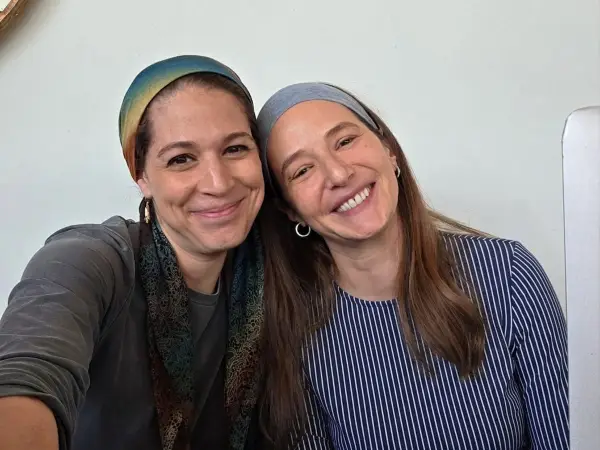
Drawing on her experience using ChatGPT, Miller partnered with Nikki Elbaz, a more technically skilled friend, to build a tool that would allow her father to continue the online shopping rituals he cherished while preventing real purchases. Their answer was ShieldCart, an AI-powered browser extension and desktop app that impersonates the checkout pages of online retailers. Instead of completing transactions, the tool quietly redirects users to a convincing but fake confirmation page, sparing them the disappointment of rejected purchases while protecting their savings.
Describing the app as a “dignified solution to a demeaning problem,” Miller told her father it was a new, secure AI-based checkout designed for his safety. With guidance from her rabbi, who likened the intervention to life-saving surgery performed without a patient’s consent, Miller found peace with the ethical complexities. ShieldCart’s deployment in her family saved thousands of dollars over the course of a year and, Miller and Elbaz say, restored to her father the freedom to feel generous without causing financial harm.
Built using Claude Code, ShieldCart operates as a Chrome extension managed by caregivers, who can block websites or monitor transactions remotely. The app never stores actual credit card data, requesting only the last four digits to create realistic order confirmations. Various settings allow families to block purchases outright, review them later, or pause them temporarily.
After Miller’s father died unexpectedly last month, she decided to make ShieldCart available to families beyond her own. The app is currently in closed beta by application only and free through the end of the year as the founders seek partnerships with organizations serving dementia caregivers. Plans are also underway to expand support for phones and tablets.
Miller acknowledges the app may not work for every family, especially where relationships are more distant or dementia less advanced. Still, she believes that providing families with new tools to manage financial risks in a respectful, unobtrusive way honors her father’s legacy and could help countless others grappling with similar challenges.
More Flips

Get real-time finance, business & capital market news in 50 words and get recommendations from top brokers delivered to your phone.


All Rights Reserved. Entroq Technologies Private Limited © 2022-2026