23/11/2026, 5:20:02 pm
How India surpassed the West in wildlife protection, and what challenges persist
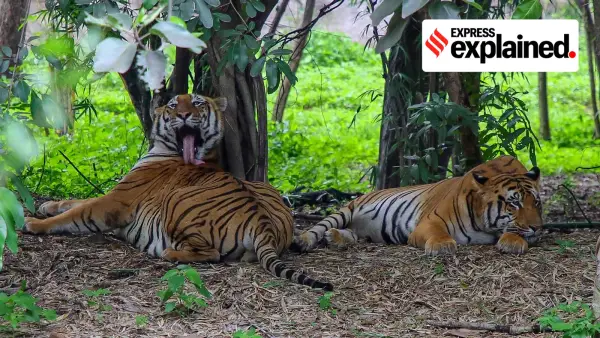
India’s conservation track record stands out globally, particularly given its complex tapestry of dense population, rapid development, and heavy dependence on land for human livelihoods. The country holds the world’s largest wild populations of tigers (about 4,000), Asian elephants (23,000), leopards (over 15,000), and the only remaining Asiatic lions (approximately 1,000), a feat unmatched by nations with greater natural habitat and wealth. Less than 5.4 percent of India’s land is formally protected, yet species have persisted, helped in part by a cultural ethos rooted in Hinduism, Jainism, Buddhism, and Sikhism that emphasizes stewardship and coexistence.
The nation’s conservation journey accelerated in the 1970s under Prime Minister Indira Gandhi with laws like the Wildlife (Protection) Act of 1972 and the launch of Project Tiger in 1973. Subsequent decades saw the rise of international poaching, with tigers, elephants, and rhinos in the crosshairs of global trafficking networks. A major turning point came in 2005, when the disappearance of tigers from Sariska Reserve spurred government overhaul, new oversight bodies like the National Tiger Conservation Authority, and adoption of science-based monitoring. Voluntary relocation packages for communities living in tiger reserves, currently set at Rs 15 lakh per family, aimed to blend conservation with socioeconomic progress.
Despite successes, challenges remain acute. Many protected areas are small and fragmented, making corridor connectivity critical to avoid isolated, inbred populations. While India is a world leader in passageways for wildlife across highways, deaths of lesser-known species such as wolves, foxes, and hyenas on rural roads remain high. The sharp rise in carnivore numbers has brought new conflict, with compensation schemes for livestock losses proving only a partial solution. Conservationists call for more proactive coexistence measures and community benefits where wildlife shares space with people.
Concerns have also been raised over reliance on animal rights-driven approaches, such as investing in advanced lion hospitals or curbing feral dog and cat population control, which may inadvertently harm broader conservation goals by enabling genetic vulnerabilities or disease spread. Experts warn that focusing on zoos or captive breeding, instead of preserving wild habitats, poses additional risks.
The cheetah restoration project’s long-term vision is not only to breed animals but to revitalize open ecosystems, replicating the ecological impact tigers have in forests. However, most cheetahs remain in fenced areas rather than free-ranging, highlighting the challenge of integrating such initiatives with sustainable land-use and rural development.
Looking ahead, experts advocate a multipronged strategy combining wildlife tourism, local benefit-sharing, agroforestry, and robust protection of key habitats, including sensitive island ecosystems. With continued political support and adaptive approaches, India may continue to defy global trends and set benchmarks in conservation, demonstrating that “need, not greed,” as Mahatma Gandhi stated, should guide stewardship of the country’s irreplaceable natural assets.
More Flips

Get real-time finance, business & capital market news in 50 words and get recommendations from top brokers delivered to your phone.


All Rights Reserved. Entroq Technologies Private Limited © 2022-2026