1/8/2026, 6:20:02 pm
How 832 solar panels boost a farm’s food production, energy, and profits
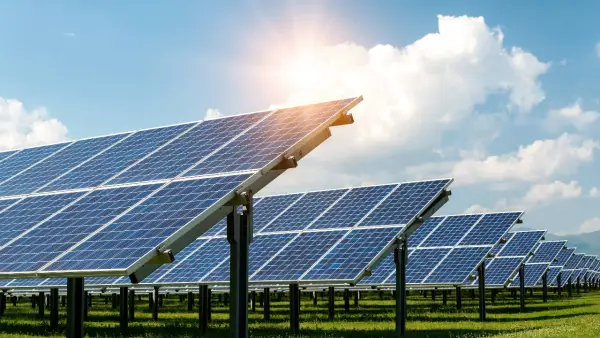
According to a report by The Pulse, the Massachusetts farm installed 832 elevated solar panels above active berry fields, creating a "dual-use" system that generates clean electricity while cultivating healthier fruit. These solar panels, intentionally mounted at a height of about 9.8 feet, are designed to track the sun's movement and are arranged so that tractors and standard farm machinery can move easily underneath, ensuring normal agricultural operations continue with minimal disruption. The construction phase included specially designed steel footings and raised cable systems to maintain stability and protect plant roots during installation.
This approach, known as agrivoltaics, represents a nascent but rapidly emerging farming practice that combines food production with solar power generation on the same plot of land. Researchers monitoring the project found that the tall panel structures filtered out harsh midday light, moderated field temperatures, and altered airflow over the crops. The shaded microclimate kept the ground moist for longer, reducing soil evaporation and helping the berry plants stay hydrated throughout hot summer days - a benefit that could prove essential as drought conditions become more common.
However, not all experts are convinced that more shade is universally beneficial for crops. As outlined in the report, there have been concerns regarding whether reduced sunlight exposure might slow photosynthesis, potentially resulting in smaller fruit, delayed ripening, or diminished sweetness. To test these concerns, agrologists monitored the berry crop’s performance throughout the growing season, comparing plants grown beneath the panels to those in open, full-sun fields.
The eventual results were surprising. Berries cultivated under the raised solar panels were found to be larger, juicier, and noticeably sweeter than berries from the open fields. Researchers attribute these improvements to the panels’ ability to protect plants from heat stress and slow the ripening process, resulting in better-developed fruit.
The Massachusetts agrivoltaic initiative demonstrates how farms can adapt to a warming climate by drawing on new technologies. Larger, elevated solar panels not only enable on-site generation of clean electricity, but also lower soil temperatures and reduce water loss, limiting the need for irrigation and safeguarding crops from heat extremes. As more regions face mounting threats from drought and unpredictable weather, such innovations may become crucial for maintaining agricultural productivity while diversifying farm revenue. Experts now believe that climate-resilient, technology-driven farming could play a key role in shaping the future of agriculture.
More Flips

Get real-time finance, business & capital market news in 50 words and get recommendations from top brokers delivered to your phone.


All Rights Reserved. Entroq Technologies Private Limited © 2022-2026