24/11/2026, 11:18:06 am
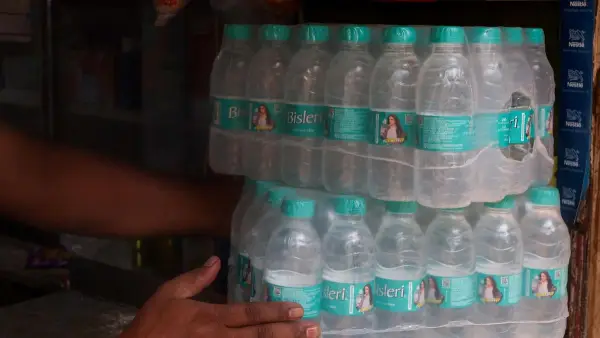
Goa FDA increases checks on packaged water brands amid Bisleri controversy
According to FDA Director Shweta S. Dessai, the Bisleri batch in question was tested in October 2025 and is no longer circulating in the market. "This particular batch is not available in the market. However, I have instructed my officers to draw surveillance samples of various packaged drinking water brands manufactured and sold in Goa for analysis," Dessai said on Tuesday. She also disclosed that a prosecution case regarding the disputed sample has already been filed in court by the Food Safety Officer.
Dessai noted that surveillance efforts have been ongoing, with more than 80 samples of packaged drinking water analyzed by the state FDA as part of its quality checks since April 1, 2025. The latest round of intensified surveillance was prompted by the Food Safety and Standards Authority of India (FSSAI) announcing prosecution against Bisleri International Pvt Ltd on November 22, following findings of "unsafe packaged drinking water" produced at the company’s Goa facility.
Bisleri, one of India’s most recognised bottled water brands, said the issue pertained to a single batch manufactured in September 2025 at its Goa plant. In its statement, the company clarified that the FSSAI had collected six samples from the facility on September 30, 2025. Of these, five were found compliant with all safety standards, while one sample recorded a bromate level of 12 micrograms per litre, just above the stipulated limit of 10 micrograms per litre.
The company further stated that it has not received any formal notice from the FSSAI to date, and that further testing by a referral laboratory found bromate levels within prescribed limits in the questioned sample. Bisleri asserted its commitment to full cooperation with regulators and reiterated that its packaged drinking water remains safe for public consumption.
While the disputed batch is no longer on the market, the incident has prompted authorities to increase vigilance over all packaged water brands to ensure ongoing consumer safety. The FDA’s ongoing analysis and the pending prosecution case underscore the regulators’ intent to maintain stringent oversight in the sector, as India continues to grapple with trust issues surrounding food and beverage safety standards.
More Flips

Get real-time finance, business & capital market news in 50 words and get recommendations from top brokers delivered to your phone.


All Rights Reserved. Entroq Technologies Private Limited © 2022-2026