25/9/2026, 9:57:02 pm
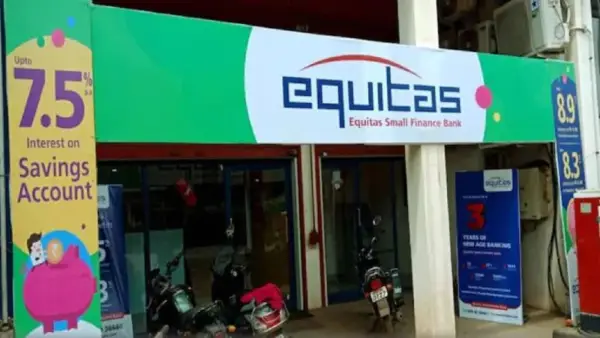
Equitas Small Finance Bank receives Rs 533 crore GST demand notice
According to the disclosure, the total demand consists of Rs 485.2 crore in tax, a penalty of Rs 48.5 crore, and Rs 11.1 lakh in interest. The GST department’s main contention, the bank said, is the disallowance of exemptions on turnover, which relates largely to the interest income that the bank earns from loans and advances. The move comes as a jolt given that the tax demand is about five times the bank’s profit after tax in the previous fiscal year. In FY26, Equitas Small Finance Bank reported a profit after tax of Rs 103 crore.
The bank maintains that the interest or discount on deposits, loans, and advances is generally exempt from GST under current provisions, except for interest on credit card services. On this basis, Equitas has asserted that its preliminary view is that the demand is not tenable. In its regulatory filing, the bank stated, “The bank believes that it has substantive factual and legal grounds to contest all the matters raised in the SCN, including the proposed disallowance of exemption on interest income and the other proposed tax, interest and penalty components.”
Equitas also clarified that the current notice is at the show-cause stage, meaning it only represents the tax authority’s proposed position and does not constitute a final adjudication or crystallized liability. The bank is currently in the process of reviewing all related matters before providing a detailed response to the GST department.
The development raises significant questions for Equitas’s future earnings outlook, as any major tax outgo could affect its fiscal position. The lender’s share price performance in the wake of the notice reflects rising concerns among investors over possible financial and operational ramifications, pending a final resolution in the matter.
More Flips

Get real-time finance, business & capital market news in 50 words and get recommendations from top brokers delivered to your phone.


All Rights Reserved. Entroq Technologies Private Limited © 2022-2026