28/11/2026, 5:17:02 pm
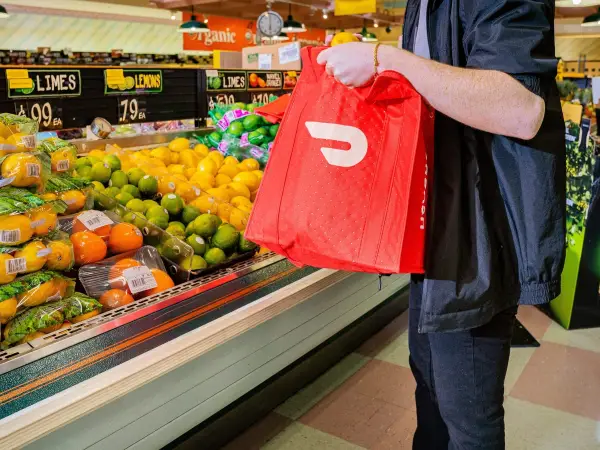
DoorDash-Instacart partnership may reduce gig workers' earning opportunities
This high degree of overlap suggests that, if the acquisition moves forward, the combined company’s workforce could be significantly smaller than the simple sum of DoorDash and Instacart’s current worker rosters. “The deal would add fewer new workers to the combined platform than the companies’ raw headcount numbers suggest,” explained Brandon Sellers, Gridwise’s vice president of marketing. That shared labor pool also raises concerns about the income and bargaining power of gig workers reliant on flexible earnings from multiple apps. Sellers warned that consolidation could tip bargaining dynamics in favor of the platforms. “With one fewer independent company competing for their time, workers lose leverage, and that can show up in their pay and in how much control they have over when and where they work,” he said.
So-called “multi-apping” - toggling between two or more gig-work apps to maximize order volumes and income - has become common as delivery workers look to patch together a living from unpredictable demand and fluctuating pay rates. Sellers noted that many drivers value this flexibility as a way to smooth their earnings and reduce idle time, filling slow periods on one platform with work from another. If gig workers lose an independent platform, they may have less power to negotiate or to shift their time when business slows or pay rates fall on a single app.
DoorDash, for its part, has stated that it does not intend to merge the two apps, but rather to cross-list restaurants and retailers, creating more seamless access for consumers and fulfillment opportunities for workers. A spokesperson for the company said the proposed transaction would allow for “more affordable delivery options from even more stores” and would actually provide “even greater choice, opportunities, and leverage for workers, not less.” An Instacart spokesperson declined to comment on the Gridwise findings, referring questions to DoorDash.
The deal could bring some operational changes for gig workers, such as the ability to pick up both restaurant and grocery orders through a single interface. This is already the case at Uber, where Uber Eats drivers surveyed by Gridwise named the company’s ride-hailing platform as their second most popular app for supplemental earnings. Whether this kind of integration will benefit workers or further erode their leverage remains to be seen.
The DoorDash-Instacart deal has yet to be finalized, but its outcome could have significant implications for gig workers and consumers alike amid a rapidly consolidating delivery industry.
More Flips

Get real-time finance, business & capital market news in 50 words and get recommendations from top brokers delivered to your phone.


All Rights Reserved. Entroq Technologies Private Limited © 2022-2026