29/8/2026, 4:22:02 pm
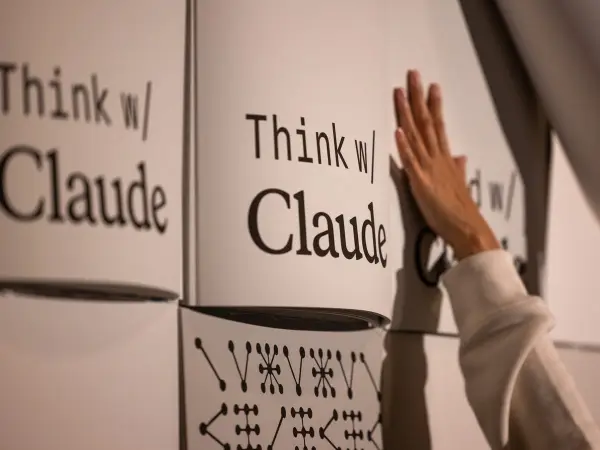
Creator faces backlash for endorsing Claude, calls AI use a growing taboo
Orhun is one of a growing number of creators facing scrutiny as tensions rise over the role of influencers in promoting artificial intelligence tools. The backlash is not limited to one company. In late July, OpenAI organized a luxury retreat in upstate New York for about a dozen influencers, featuring AI workshops and even a beekeeping seminar. Influencers in attendance shared content from the event, including branded honey jars and summaries of their experiences. Their comments sections quickly filled with negative responses, with followers describing the event as “dystopian” and “morally bankrupt.”
Although Orhun did not attend the OpenAI retreat, she encountered similar hostility from her own audience over the Anthropic partnership. She described feeling deeply shaken by the reaction, questioning whether critics had a point. However, she ultimately decided not to change her views based solely on public pressure. Orhun argued that the hostility and name-calling accompanying online debates over AI are counterproductive, stating that it is unlikely to bring people together on such complex issues.
On the podcast “The Internet is Dead,” Orhun discussed the higher standards often expected of women online, especially around technology and ethics. Despite receiving further criticism for those remarks, she later nuanced her position and acknowledged that male creators have also faced backlash for promoting AI tools. Still, she maintained that there remains a broader expectation for women online to serve as a moral compass on contentious issues, including new technology.
The increasing negativity around AI promotions, Orhun warned, risks silencing people about their real-world AI use. She noted that many creators she knows routinely use AI tools in their work but now hesitate to mention it publicly. For her part, Orhun makes a distinction between using AI to assist with technical challenges, such as coding with tools like Claude, and generating art, which she continues to create by hand, underscoring her personal commitment to human-made creativity.
Orhun’s experience highlights the complexities influencers face as technology companies expand partnerships with creators in an environment where public sentiment remains deeply divided over the rise of AI. As debate intensifies, the delicate balance between authenticity, endorsement deals, and online perceptions will likely remain a flashpoint for the influencer economy.
More Flips

Get real-time finance, business & capital market news in 50 words and get recommendations from top brokers delivered to your phone.


All Rights Reserved. Entroq Technologies Private Limited © 2022-2026