25/11/2026, 7:17:04 pm
Army helping shape future of border communities, not just guarding frontiers: Khandu
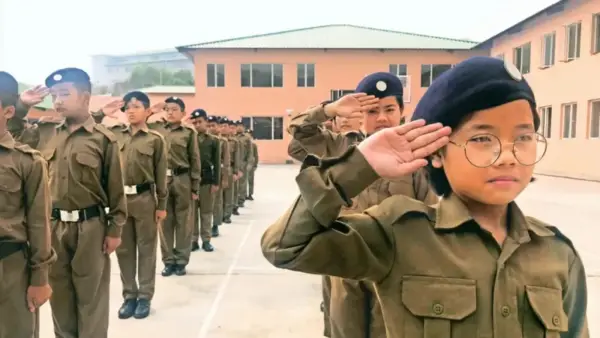
Khandu highlighted the pivotal role played by the Sela Warriors of the Army’s Gajraj Corps in identifying, mentoring, and preparing talented students from far-flung tribal regions for entrance into Sainik Schools. According to the chief minister, these efforts are opening up significant new avenues of educational and career opportunities for tribal youth living in some of India’s most geographically challenging areas.
“The Indian Army is not just guarding our borders; it is also shaping the future of the communities that inhabit them,” Khandu said in a social media post. He noted that the successful admission of 57 students to Woods Park Sainik School stands as a testament to the impact of the Army’s sustained outreach. Khandu pointed out that such initiatives are especially vital in Arunachal Pradesh, where the rugged terrain and isolation of many border villages often result in limited access to specialized education and coaching facilities.
Calling the programme a “commendable example” of how armed forces can contribute to nation-building by investing in human development, the chief minister said the creation of such opportunities for youth in strategically important border areas is crucial. He added that empowering students through quality education helps them not only realize their personal aspirations, but also prepares them to become responsible citizens and future leaders who will contribute to society at both state and national levels.
Khandu also outlined the state’s broader educational initiatives. He mentioned the establishment of Arunachal Pradesh’s first Sainik School at Pasighat in collaboration with the central government, with a second school under development in Tawang through a public-private partnership model. In addition, the state government is working with the Army to set up a structured coaching system aimed at preparing Arunachali youths for national-level defense examinations such as the National Defence Academy (NDA) and Combined Defence Services (CDS).
Officials cited by the chief minister noted that Mission Sainik School underlines the importance of civil-military cooperation for the growth of frontier areas, extending the Army’s role beyond traditional security to encompass educational outreach and youth empowerment.
More Flips

Get real-time finance, business & capital market news in 50 words and get recommendations from top brokers delivered to your phone.


All Rights Reserved. Entroq Technologies Private Limited © 2022-2026