2/9/2026, 3:20:02 am
A simple admin change helped a paper company maximize its AI sensor benefits
The situation McLaughlin encountered highlights the broader challenge that manufacturers face as they adopt advanced AI technologies: the volume of data these systems generate can quickly overwhelm traditional approaches. In Domtar’s case, the company had previously deployed AI-powered vibration sensors from Waites Sensor Technologies, designed to monitor equipment health and prevent unexpected breakdowns. While these sensors delivered a wealth of operational information, transforming that data into actionable insight required a new strategy.
McLaughlin decided to tap into the full-service capabilities offered by Waites, partnering with the company’s analysts to better leverage machine-learning-powered recommendations. Monthly check-ins soon ramped up to weekly consultations, as the Domtar team began sharing additional data points from tools like thermal imaging and ultrasonic meters with Waites. “Let’s provide as much feedback as we possibly can, because with machine learning, if you don’t teach it anything, it's not going to learn anything,” McLaughlin told Business Insider.
Within three months of this stepped-up collaboration, Domtar reported significant improvements in equipment reliability. The AI system could now perform primary analysis, but still depended on Waites analysts, in-house vibration experts, and plant maintenance staff for diagnosis and follow-up. “It’s not just a change in technology,” said Waites CEO Rob Ratterman. “To get the kind of results Matt’s seeing, it takes someone who becomes a lighthouse for the entire company to follow.” High-level managers down to shift supervisors now monitored alerts and responses via the Waites system, with action items tracked to ensure timely resolutions.
The operational impact has been striking. By fine-tuning maintenance schedules and tasks - such as adjusting lubricant viscosity to reduce horsepower and energy consumption - Domtar has driven down costs and improved machine uptime. Although the company declined to disclose its AI investment, McLaughlin said the savings more than justify the expense. He estimated the system helped avoid 1,546.65 hours of unplanned downtime since its expanded use.
Domtar’s journey also reflects the changing dynamic within manufacturing workforces. McLaughlin began distributing daily alerts to legacy employees, but soon found that as staff gained confidence in the AI and reliability team, they stopped calling him for follow-ups. Today, McLaughlin says Domtar bases multimillion-dollar operational decisions on Waites data and considers it core to the company’s planning process.
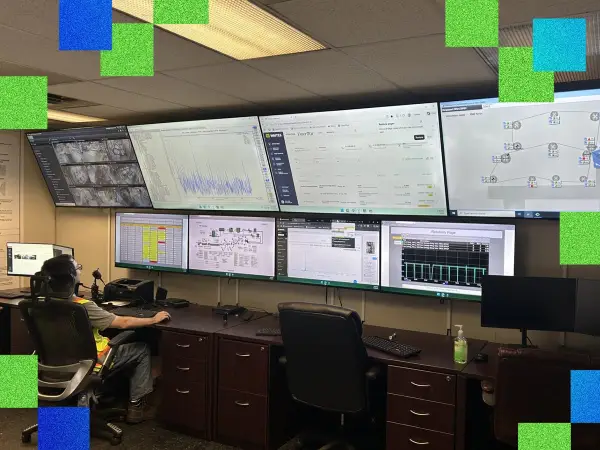
Now with 748 sensors deployed, Domtar’s staff continues to monitor vital equipment data in real time, with the AI system helping to predict and prevent failures such as bearing cracks, misalignments, or lubrication issues. The ongoing improvements have even led to supplier comments, including a note that the plant had gone a full year without ordering new fan belts - a testament, McLaughlin said, to the value of AI-driven monitoring and proactive maintenance.
More Flips

Get real-time finance, business & capital market news in 50 words and get recommendations from top brokers delivered to your phone.


All Rights Reserved. Entroq Technologies Private Limited © 2022-2026