31/8/2026, 7:16:02 am
India: Polymer note bidders vow animal-tallow-free, China/Pakistan safeguards
At least two foreign polymer currency manufacturers and an Indian company in partnership with UK-based De La Rue, one of the world’s largest banknote suppliers, are among the bidders, according to information reviewed by The Indian Express. In an effort to safeguard future operations and ensure security, all bidders were required to sign a series of agreements. These include an integrity pact, a confidentiality contract, a no-agent pact, and a stipulation to firewall their Indian operations from any activities in China and Pakistan.
Moreover, bidders were mandated to certify that their polymer substrates would not include any animal tallow or related DNA, addressing concerns that previously delayed the introduction of polymer currency in India. Similar controversies in countries such as the UK over the presence of animal-derived materials in banknotes are reportedly a factor in the RBI’s cautious approach.
BRBNMPL’s documents specified an immediate need for roughly 68,000 reams of polymer substrate, each containing 500 sheets, to enable the printing of Indian banknotes. Bidders were also required to include samples to be tested in various climate zones. Only those passing these tests will be eligible to submit final tenders. Financial standing was not required to be demonstrated at the qualifying stage, as clarified in a corrigendum issued before the August deadline.
Among the Indian contenders is Cosmo First, the country’s largest exporter of biaxially oriented polypropylene (BOPP), which partners with De La Rue to supply the required security features within the polymer substrate. De La Rue, which supplies governments worldwide, has promoted the use of polymer banknotes as a cleaner, greener, and more durable alternative to conventional cotton-based notes.
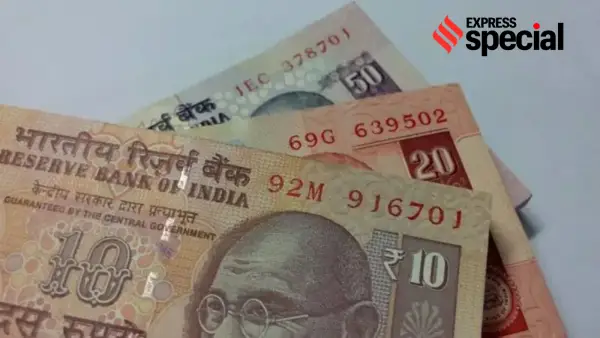
Australia-based CCL Secure, another pioneer and a supplier to over 40 central banks worldwide, is also in the fray. The company highlights the security advantages and lifespan of polymer notes, claiming they last six times longer than paper. CCL Secure supports countries that wish to adopt a mix of polymer and traditional cotton-based currency, a model reportedly under consideration by the RBI. In India, polymer notes would initially be issued in Rs 10 and Rs 20 denominations.
An additional bidder is Q&T Hi-tech Polymer Company Limited from Vietnam, which started producing domestic banknote substrate three years ago and claims a 78 percent lifecycle savings over paper currency. The company is reportedly looking to expand its reach, including in the Indian market.
With testing underway and new security and transparency requirements in place, the RBI’s push towards polymer currency notes marks a significant step in modernizing India’s cash supply. As the bidding process progresses, stakeholders and consumers alike will be watching to see how quickly polymer banknotes enter general circulation and what impact they might have on durability, security, and production costs.
More Flips

Get real-time finance, business & capital market news in 50 words and get recommendations from top brokers delivered to your phone.


All Rights Reserved. Entroq Technologies Private Limited © 2022-2026