29/7/2026, 11:26:02 am
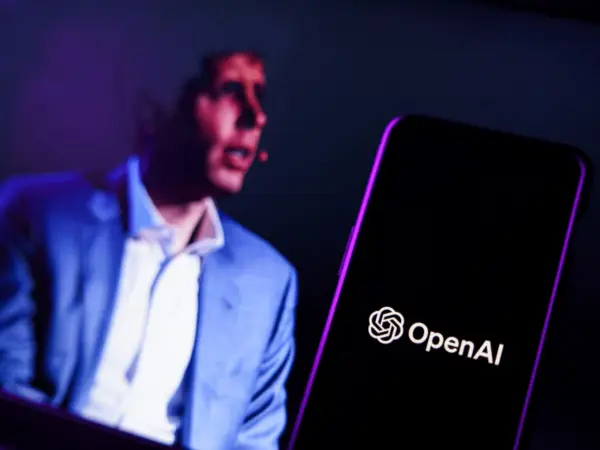
Delhi HC Denies ANI's Request to Restrain OpenAI in Copyright Dispute
The lawsuit, brought by ANI in 2024, accused OpenAI of using ANI’s news reports without authorisation while training its large language models, and then allegedly reproducing portions of its articles verbatim in chatbot responses. ANI’s counsel claimed that such actions not only amounted to copyright infringement, but also to unfair competition, arguing that ChatGPT’s outputs could dilute ANI’s market position. They further argued that, on occasion, ChatGPT not only copied content but attributed fabricated statements and news reports to ANI in what are known as AI “hallucinations,” potentially damaging the agency’s reputation.
OpenAI has denied the accusations, disputing both the substance and the procedural maintainability of the suit in India. The company stated that its AI models are neither trained in India nor hosted on servers in the country. It also argued that the process of training AI on web content is transformative in nature and does not amount to copyright infringement. OpenAI further submitted that online publishers can direct web crawlers, the programs that collect data for AI training, to avoid their sites if they do not wish to have their content included - a practice commonly implemented through industry-standard protocols.
The court indicated that an interim injunction at this stage could have wide-reaching negative effects, potentially causing irreparable harm not only to OpenAI’s operations but also to the public, which relies on AI technologies for information and other benefits. Summons in the case were served in November 2024 and the wider copyright suit between ANI and OpenAI remains pending before the Delhi High Court.
The case has prompted significant attention from India’s media and entertainment sector. Other major publishers including NDTV, Network18, The Indian Express, and Hindustan Times have sought to join ANI’s legal challenge. Music labels such as T-Series, Saregama, and Sony Music have also sought to intervene, arguing that AI companies should be barred from using copyrighted works without explicit permission or licensing.
As debates over AI, copyright, and fair use intensify globally, the outcome of the ongoing case is likely to have implications across India’s digital and creative industries. The core suit continues before the Delhi High Court, with broader industry groups keeping a close watch on how Indian law will adapt to address copyright claims in the age of artificial intelligence.
More Flips

Get real-time finance, business & capital market news in 50 words and get recommendations from top brokers delivered to your phone.


All Rights Reserved. Entroq Technologies Private Limited © 2022-2026