29/7/2026, 1:23:03 pm
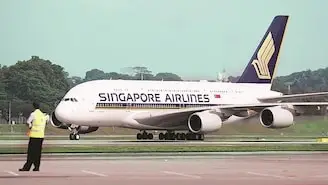
Singapore Airlines posts first quarterly loss since 2022 on fuel hit
The results reflect mounting industry-wide pressure as airlines worldwide face challenges from surging jet fuel prices, which have offset strong passenger demand and rising yields. Singapore Airlines confirmed that while demand for both air travel and cargo remains strong, the escalating conflict in the Middle East has driven up fuel costs sharply, impacting the airline’s bottom line. The company also cautioned that a prolonged turmoil in the region could further disrupt global supply chains, trade, and economic conditions.
SIA’s net loss in the latest quarter compares unfavorably with a net profit of S$186 million a year earlier and far exceeded analyst estimates compiled by LSEG, which had forecast a loss of only S$4.3 million. The last time the airline recorded a quarterly loss was in the fourth quarter of FY2021/22, covering the three months ending March 31, 2022, as the industry struggled with the effects of the pandemic.
Despite the bottom-line loss, Singapore Airlines reported record quarterly revenue of S$5.71 billion, up 19.3 percent year-on-year, driven by robust passenger demand and a 12 percent increase in passenger yields. Together, SIA and its budget carrier Scoot transported a record 10.9 million passengers during the quarter, an increase of 6.3 percent from the previous year. Cargo operations also saw a strong performance, with revenue rising 33.5 percent to S$708 million on the back of higher yields and load factors.
The primary headwind, however, was the dramatic increase in net fuel costs, which soared 78.5 percent to S$2.25 billion after global jet fuel prices spiked following the start of the Middle East conflict on February 28. The airline stated that fuel costs before hedging more than doubled in the quarter, eroding profits despite higher revenues.
Operating profit plunged 73.8 percent to S$106 million for the period. Further weighing on results was the performance of Air India, in which Singapore Airlines holds a 25.1 percent stake. Losses from the associate deepened, resulting in a S$42 million drag on SIA’s quarterly results. Air India’s majority owner, Tata Sons, indicated earlier this week that the carrier’s financial turnaround could still take up to a decade.
At the current exchange rate of US$1 equal to 1.2927 Singapore dollars, Singapore Airlines faces heightened financial headwinds in the near term. The company emphasized its continued vigilance amid persistent global uncertainties and the ongoing volatility in fuel prices.
More Flips

Get real-time finance, business & capital market news in 50 words and get recommendations from top brokers delivered to your phone.


All Rights Reserved. Entroq Technologies Private Limited © 2022-2026